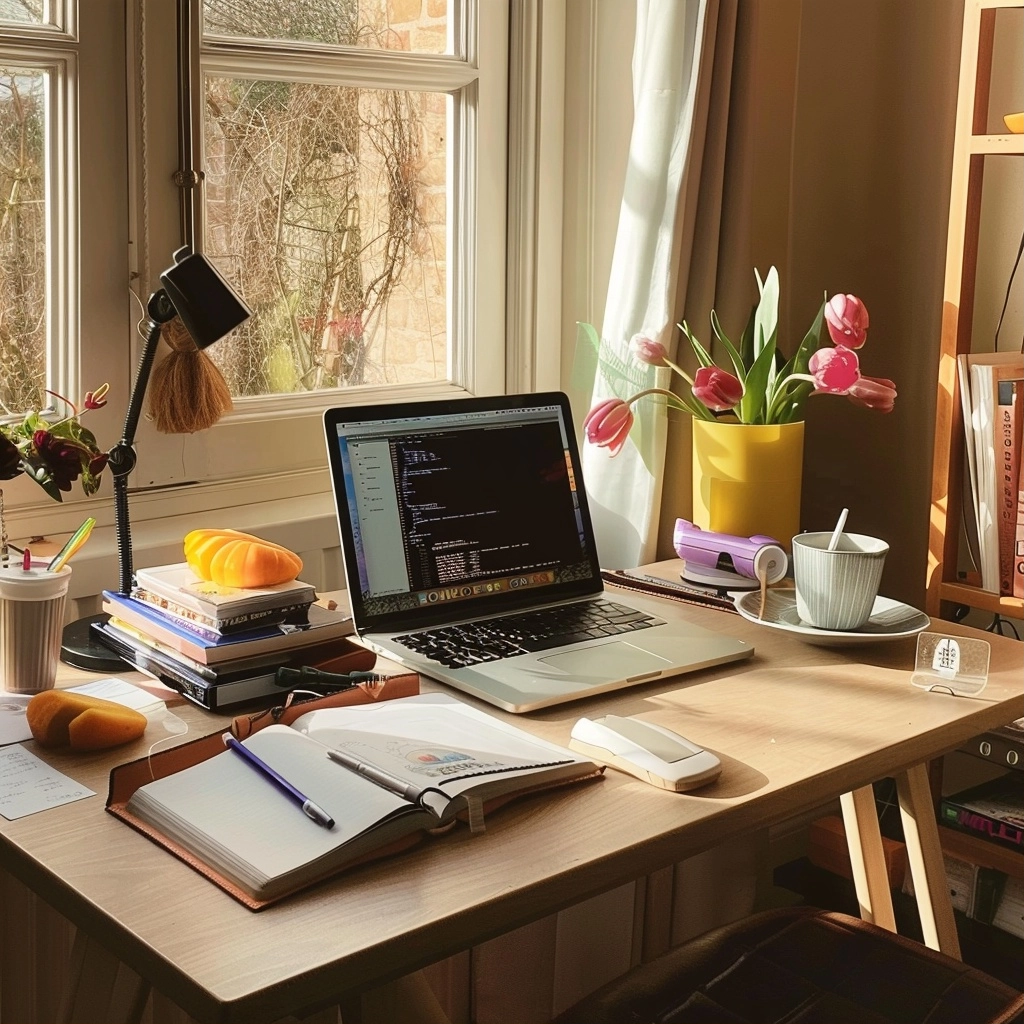
Creating the perfect study space for better focus and productivity begins with intentional design that minimizes distractions and encourages deep work. By curating an environment that combines ergonomic support with strategic organization, you can significantly enhance your ability to concentrate on tasks. This approach moves beyond simple desk placement to address lighting, noise control, and physical comfort, turning any corner of your home into a high-performance zone.
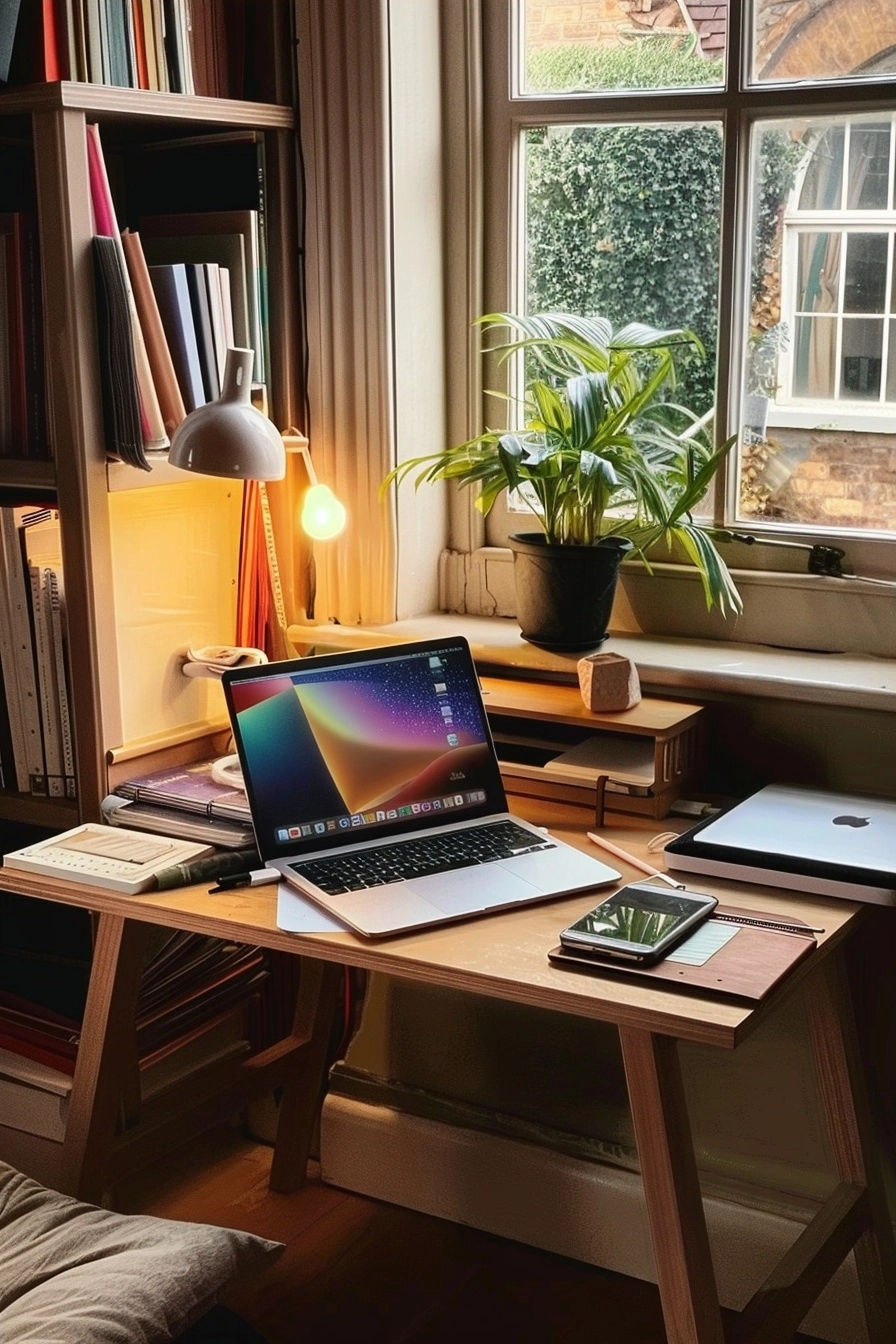
Overview of Creating a Study Space
Designing a study area is a project that scales from a simple desk upgrade in a bedroom to a dedicated home office renovation. Success depends on balancing personal needs for silence, lighting, and accessibility to tools. Most residential study spaces require minimal structural work, making this an ideal project for renters and homeowners alike.
| Feature | Details |
|---|---|
| Style or Project Type | Productivity-Focused Home Decor |
| Best For | Students, remote workers, and hobbyists |
| Estimated Budget | 50 to 500 USD |
| Difficulty | Beginner |
| Time Required | 1 to 3 days |
| Space Requirements | Minimum 3 feet by 4 feet |
| Maintenance | Weekly decluttering |
Why These Ideas Work
A dedicated study zone functions by creating a psychological trigger that signals your brain it is time to focus. When your workspace is distinct from relaxation areas, you establish a boundary that prevents work stress from bleeding into your personal time. Proper spatial arrangement reduces visual clutter, which has been shown in various design studies to decrease cognitive load and increase task performance.
Ergonomics and lighting choices are equally vital to long-term productivity. When your body is physically supported by a proper chair and your eyes are not strained by poor illumination, you can sustain mental effort for longer periods. By selecting materials and colors that promote calm rather than agitation, you create a supportive atmosphere conducive to learning and complex problem-solving.
Best Study Space Ideas
Zoning with Vertical Storage
Vertical storage maximizes small footprints by utilizing wall space for shelving or pegboards. This approach keeps your desk surface clear of supplies, which is essential for maintaining focus. Use modular shelving units that allow for adjustments as your needs change, and place frequently used items within arm reach while storing reference materials higher up. This works best in apartments or rooms where floor space is limited.
Prioritizing Natural Light
Positioning your desk near a window allows for natural light, which regulates your internal clock and reduces fatigue. If direct glare is an issue, install sheer curtains that diffuse light without darkening the room. Facing the window can provide a calming view, but if it proves distracting, orient the desk perpendicular to the window to enjoy the benefits of light without the visual interruption of outdoor movement.
Acoustic Comfort Measures
Managing noise levels is critical for sustained attention. Use area rugs, heavy curtains, or wall-mounted fabric panels to absorb sound and prevent echoes in hard-surfaced rooms. Even in a quiet house, sound dampening creates a sense of enclosure that helps you “drop in” to your work. A simple fabric-wrapped foam panel behind the desk can make a significant difference in audio quality for video calls or focused reading.
Materials, Tools, and Essentials
| Item | Purpose | Budget-Friendly Alternative | Notes |
|---|---|---|---|
| Task Lamp | Targeted Illumination | Clamp-on LED lamp | Cooler white light aids focus |
| Ergonomic Chair | Spinal Support | Dining chair with lumbar cushion | Ensure feet touch the floor |
| Cable Organizers | Remove Visual Clutter | Velcro ties or clips | Use clips to hide cords under desk |
| Desk Mat | Writing surface | Large mousepad | Protects surface and improves grip |
How to Create or Apply These Ideas
Layout Planning
- Measure your available floor area to identify the best placement for the desk.
- Clear the area of all non-essential items to start with a blank slate.
- Orient the furniture to face away from high-traffic zones like doorways.
- Test the lighting levels at your chosen desk height before finalizing the position.
Implementation Steps
- Install wall shelving or organizers at eye level to keep the desk surface clear.
- Set up your ergonomic chair and adjust the height so your elbows sit at a 90-degree angle.
- Manage your power cords using clips or a dedicated cable management box.
- Introduce a single task light that provides shadow-free illumination on your primary work area.
Common Mistakes to Avoid
Poor Lighting Choices
Using only overhead ceiling lights often casts shadows directly onto your workspace. Supplement general lighting with a focused task light to eliminate these shadows and reduce eye strain. Always choose bulbs with a color temperature between 3000K and 4000K for an ideal balance between warmth and clarity.
Cluttered Desk Surfaces
Allowing loose papers and miscellaneous items to pile up creates a sense of disorder that hinders concentration. Implement a daily cleanup routine to clear your desk at the end of each session. If you struggle with paper storage, use a vertical filing system to keep active projects organized.
Maintenance and Long-Term Care
Consistency is key to maintaining a functional study environment. Dedicate five minutes at the end of every week to wipe down your desk, dust equipment, and reorganize supplies so the space is ready for the next work cycle.
| Task | Frequency | Recommended Method |
|---|---|---|
| Surface Cleaning | Weekly | Damp microfiber cloth |
| Cable Audit | Monthly | Check for fraying and secure loose ties |
| Tech Dusting | Monthly | Compressed air for keyboards |
Frequently Asked Questions
How can I create a study space in a tiny apartment?
Utilize wall-mounted drop-leaf desks that fold away when not in use. This allows you to reclaim floor space while providing a stable, dedicated surface for work during the day.
What is the best lighting for reading and writing?
Natural light is best during the day, but a high-quality LED task lamp with adjustable brightness is essential for evening work. Aim for a neutral white light that minimizes glare on your screens or paper.
How do I stay productive in a shared room?
Use noise-canceling headphones and visual partitions like room dividers or bookcases to define your personal bubble. These tools create a psychological boundary that helps maintain focus even with others nearby.
Are expensive ergonomic chairs necessary?
They are not strictly necessary, but they are beneficial. You can achieve similar results by adding an adjustable lumbar pillow to a supportive standard chair and ensuring your screen is at eye level.
How do I prevent procrastination?
Remove non-essential items from your line of sight and keep your digital devices organized. Only have the tools necessary for the current task on your desk to reduce the temptation to switch to unrelated projects.
Final Thoughts
Creating the perfect study space for better focus and productivity is about removing friction from your daily workflow. By selecting a quiet location, ensuring proper lighting, and maintaining an organized surface, you build a foundation for success. Start with one simple change, such as clearing your desk or adding a dedicated task lamp, and notice how quickly your mental clarity improves. A well-designed area does more than hold your books; it provides the structure needed to achieve your most important goals consistently.