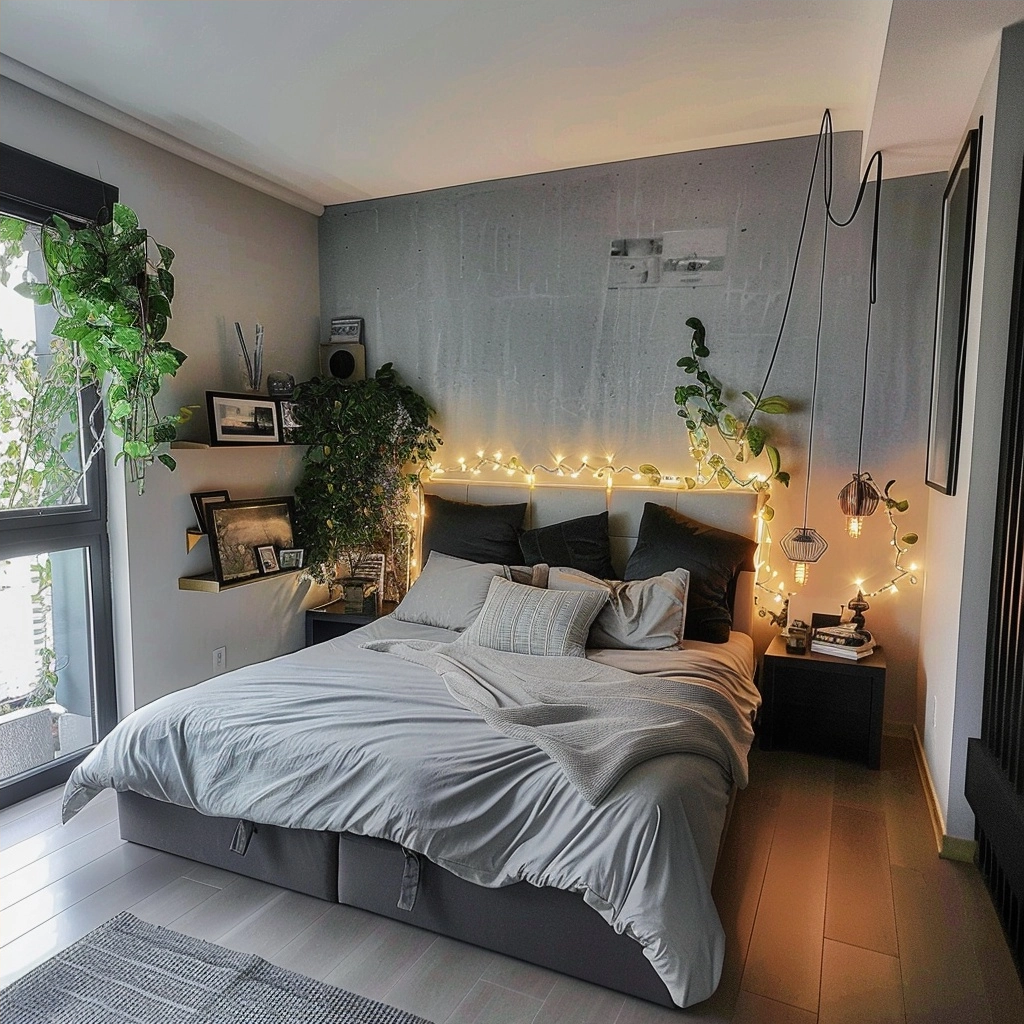
Overview of Bedroom Design Idea
A well-executed bedroom design idea focuses on balancing restful aesthetics with daily functionality. Whether you are working with a master suite, a small guest room, or a multipurpose space, the goal is to create a calming environment that encourages relaxation. Success depends on thoughtful layout planning, balanced lighting, and the careful selection of textures and materials.
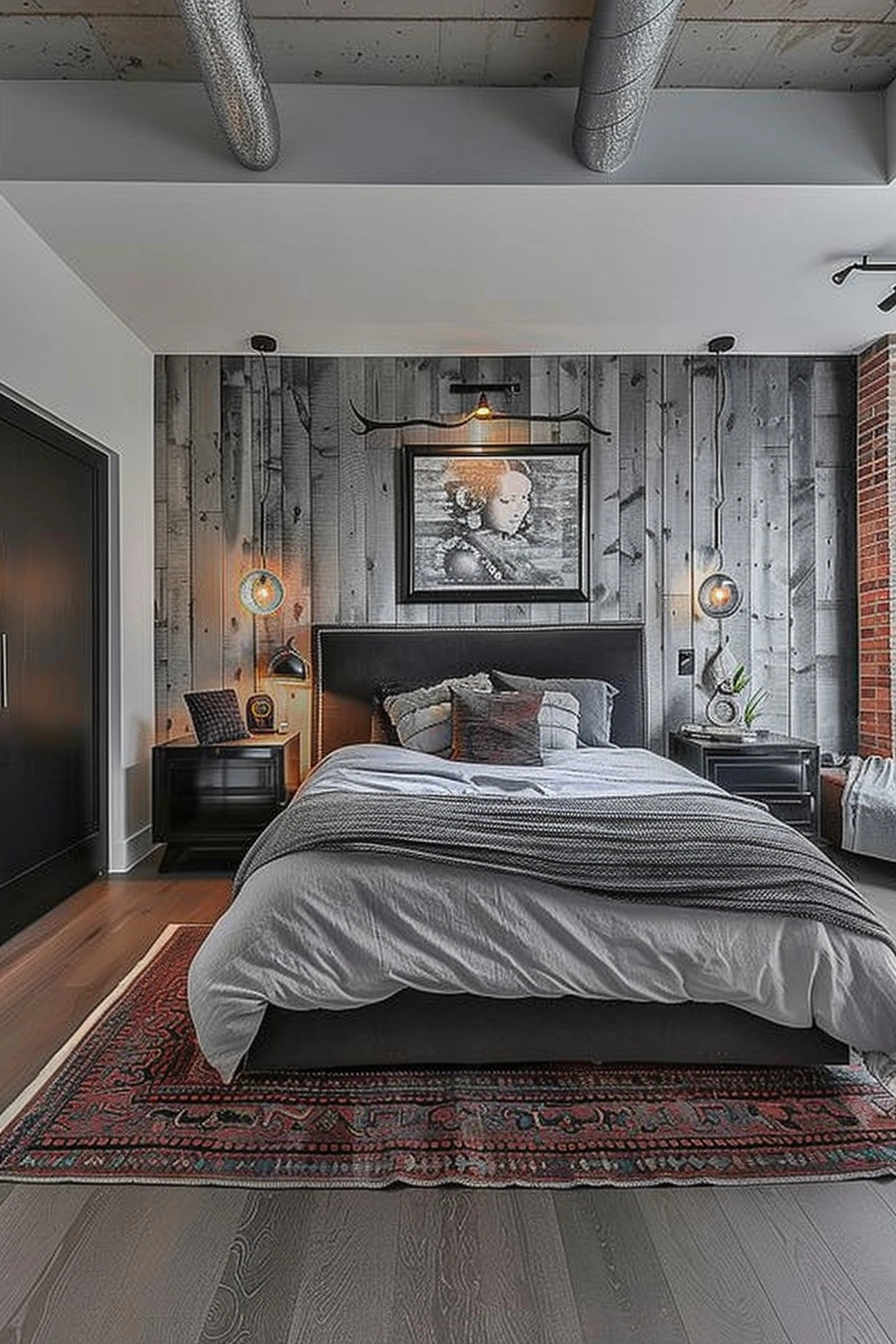
| Feature | Details |
|---|---|
| Project Type | Interior Design & Styling |
| Best For | Primary bedrooms, guest rooms, small apartments |
| Estimated Budget | Variable (Low-cost styling to full renovation) |
| Difficulty | Beginner to Intermediate |
| Time Required | 1 weekend for styling; longer for layout changes |
| Space Requirements | Small to large footprints |
| Maintenance | Low to moderate based on textile selection |
Why These Ideas Work
Effective bedroom design relies on the principles of color harmony and spatial flow. By limiting a color palette to calming neutrals or soft earth tones, you can reduce visual clutter, which helps lower stress levels. Adding layers of texture through linens, rugs, and window treatments creates physical depth that makes a space feel cozy and intentional.
Functionality remains key in any bedroom design. Proper furniture placement ensures that you have adequate walking paths and logical access to outlets and storage. Lighting design also plays a major role by combining ambient ceiling lights with task-oriented lamps, allowing you to transition the room from a workspace or dressing area into a quiet retreat by night.
Best Bedroom Design Idea Concepts
Minimalist Sanctuary with Natural Materials
A minimalist approach emphasizes clear surfaces and high-quality materials. By using wood furniture, linen bedding, and wool rugs, you create a tactile environment that feels grounded. This works best in smaller bedrooms where keeping the floor clear of excess furniture makes the room feel larger. Focus on one or two statement pieces rather than filling every corner.
The Cohesive Monochromatic Palette
Using varying shades of the same color creates a sophisticated and calming atmosphere. Select a primary color like sage green, soft blue, or warm sand and use different tones for the walls, bedding, and curtains. This design style works exceptionally well in large rooms that need a sense of cohesion to feel intimate. Incorporate metallic hardware or wood accents to break up the color.
Maximizing Small Bedroom Functionality
If space is tight, utilize vertical storage and multi-functional furniture. Wall-mounted sconces save valuable nightstand space, while under-bed storage drawers provide a place for seasonal items. Choose light colors for the walls to reflect natural light and create an airy feel. Implement a floating shelf above the bed to act as a display for books or small plants without cluttering the surface area.
Materials, Tools, and Essentials
| Item | Purpose | Budget-Friendly Alternative | Notes |
|---|---|---|---|
| Linen Bedding | Comfort & Texture | Cotton percale | Breathable for all seasons |
| Wall Sconces | Task Lighting | Plug-in wall lamps | Saves floor and table space |
| Area Rugs | Sound Absorption | Cotton woven rugs | Place partially under the bed |
| Blackout Curtains | Privacy & Sleep | Standard blinds with liner | Essential for light blocking |
How to Create or Apply These Ideas
Start by clearing out the space to get a clean slate. Once the room is empty, follow these steps to refine your layout and decor.
- Measure your floor plan to ensure furniture fits with at least 24 inches of clearance for walkways.
- Select a focal point, typically the wall behind the headboard, to feature as the main design anchor.
- Install lighting at multiple levels to ensure both ambient and task illumination.
- Layer your bedding starting with a fitted sheet, followed by a duvet, and finally decorative throws for texture.
- Style your nightstands with minimal items, such as a small lamp, one book, and a plant.
Expert Design Tips
- Scale matters: ensure your headboard is proportional to the ceiling height.
- Keep pathways clear: allow for 30 inches of space on each side of the bed if possible.
- Balance warm and cool tones to prevent the room from feeling too sterile or too heavy.
- Use sheer curtains behind blackout drapes for privacy during the day.
- Incorporate personal items thoughtfully to avoid cluttering surfaces.
Common Mistakes to Avoid
Overcrowding the Floor
Adding too many furniture pieces creates a cramped feeling. Stick to the essentials like a bed, two nightstands, and a dresser. If you lack storage, use vertical shelving instead of extra floor units.
Ignoring Lighting Layers
Depending solely on a single overhead light results in harsh shadows. Always add at least two bedside lamps or wall sconces to create a warmer, adjustable light source.
Maintenance and Long-Term Care
| Task | Frequency | Recommended Method |
|---|---|---|
| Wash Bedding | Weekly | Gentle cycle, cold water |
| Dust Surfaces | Bi-weekly | Microfiber cloth |
| Vacuum Rugs | Weekly | Low-suction setting |
Frequently Asked Questions
How can I make a tiny bedroom look bigger?
Use mirrors to reflect natural light and stick to a light color palette for your walls and linens. Keep the floor as clear as possible by using floating shelves and wall-mounted lighting.
What materials are best for a durable bedroom?
Natural fibers like cotton and linen are highly durable and easy to wash. Solid wood furniture stands up to wear much better than particleboard options over time.
How do I choose the right rug size?
A good rule of thumb is to have the rug extend at least 18 to 24 inches beyond the sides and foot of the bed. This anchors the room and adds warmth to your floor space.
Are decorative pillows worth the space?
Decorative pillows add essential texture and color, but keep the number to three or four. Anything more can become a maintenance burden when you need to remove them every night.
How often should I refresh my decor?
You can refresh the room seasonally by simply swapping out throw pillows, bedding colors, or small decor items. A deep clean and reorganization every six months helps keep the space functional.
Final Thoughts
Improving your home starts with a thoughtful bedroom design idea that prioritizes both comfort and utility. By focusing on smart furniture placement, layered lighting, and high-quality textiles, you can transform your space into a true retreat. Start by decluttering your current layout and assessing which elements bring you the most peace, then build your design around those essential features. A well-designed bedroom will provide a restful haven that supports your daily well-being for years to come.