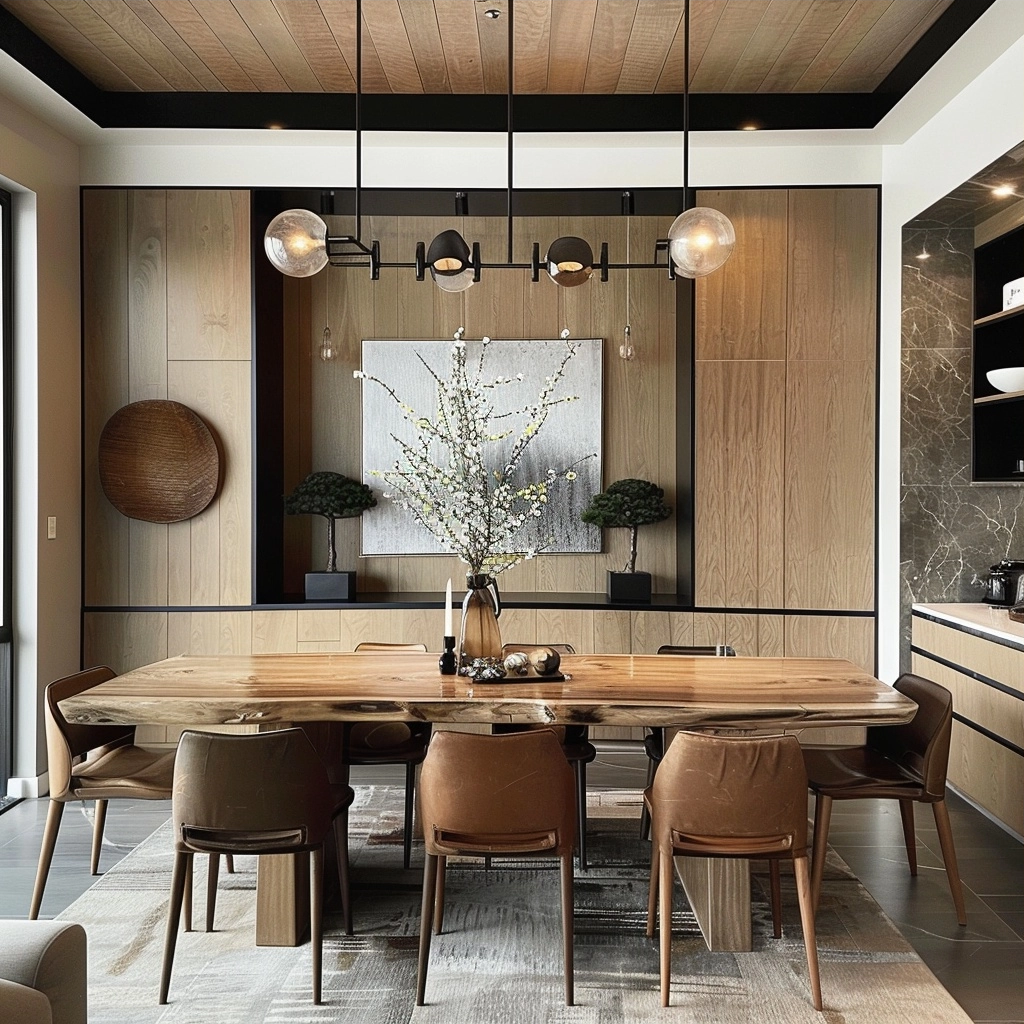
Overview of Modern Organic Dining Room Design
Modern organic dining room design blends minimalist structure with raw, natural materials to create a serene and functional space. This style emphasizes comfort, connection to nature, and an uncluttered aesthetic, making it an excellent choice for family homes and apartments alike. It relies on a neutral color palette, tactile fabrics, and sustainable wood finishes.
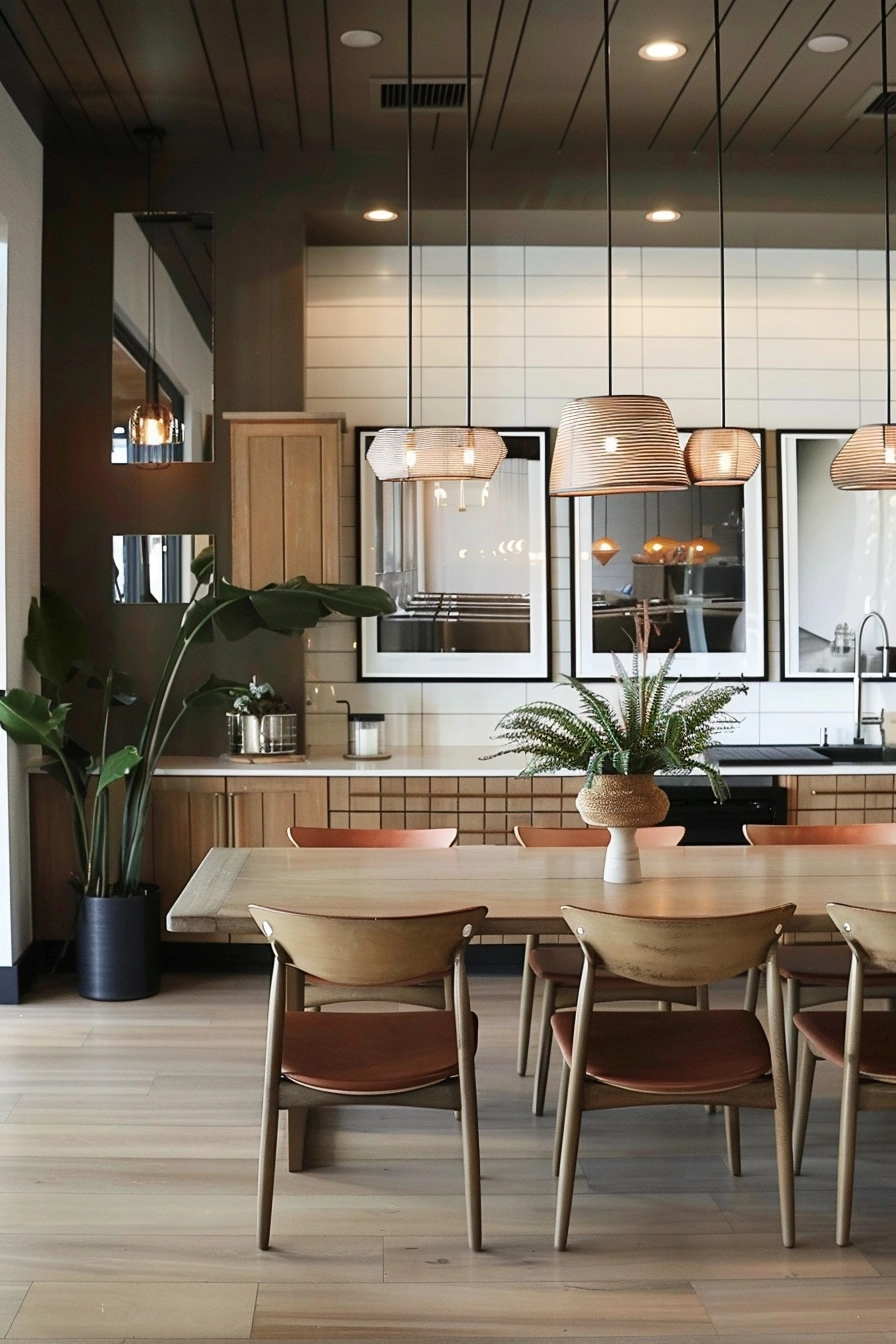
| Feature | Details |
|---|---|
| Style | Modern Minimalist Meets Organic Warmth |
| Best For | Dining areas, eat-in kitchens, open-plan homes |
| Estimated Budget | Variable depending on furniture quality |
| Difficulty | Low – focus on curation rather than construction |
| Time Required | 1-2 weekends for styling and layout |
| Maintenance | Low – regular dusting and wood oiling |
Why These Ideas Work
The organic approach succeeds by softening the sharp lines typically found in contemporary furniture. By integrating items like live-edge tables or wool area rugs, the dining room feels less like a sterile showroom and more like a welcoming retreat. Texture serves as the primary visual interest here, replacing bold patterns with subtle variations in grain, weave, and stone.
Functionality remains at the core of this design style. By keeping the space breathable, it prevents visual fatigue, allowing the focus to remain on shared meals and conversation. The use of natural light and light-reflecting materials helps to make small spaces feel expansive while maintaining a grounded, earthy atmosphere that feels intentional and calm.
Best Modern Organic Dining Room Ideas
Choosing Live-Edge Wood Tables
The centerpiece of any organic dining room is the table. A live-edge wood table retains the natural contour of the tree trunk, serving as a sculptural element. It works best in mid-to-large dining rooms where the piece can breathe. Look for white oak or walnut finishes to keep the room feeling light. Implement this by pairing your heavy wood table with slender, upholstered chairs to balance the visual weight.
Neutral Textural Layering
Instead of relying on color, use a monochromatic palette defined by texture. Combine a linen table runner with matte stoneware plates and woven rattan placemats. This approach works in any sized room and keeps the design sophisticated. Use shades of cream, sand, and taupe to maintain a cohesive look.
Materials, Tools, and Essentials
Creating this look requires a commitment to natural substances and high-quality craftsmanship. Focus on materials that age gracefully.
| Item | Purpose | Budget Alternative | Notes |
|---|---|---|---|
| Solid Wood Table | Dining surface | Mango wood veneer | Look for FSC-certified wood |
| Linen Drapes | Softening windows | Cotton-linen blend | Allows filtered sunlight |
| Rattan Lighting | Overhead focus | Woven bamboo pendants | Adds texture at eye level |
| Wool Rug | Defining the zone | Jute and cotton weave | Ensure the rug extends 24 inches past table |
How to Create or Apply These Ideas
Planning the Layout
- Measure your dining area, ensuring at least 36 inches of clearance between the table edge and walls for chair movement.
- Position the table to maximize natural light flow from windows.
- Select a rug that is large enough to accommodate the chairs even when they are pulled out from the table.
Styling the Space
- Clear all unnecessary clutter from the table surface to emphasize the wood grain.
- Add a single, large ceramic vase with dried branches or pampas grass as a centerpiece.
- Install a dimmer switch for your pendant lighting to manage the ambiance for different times of day.
Expert Design Tips
- Scale lighting fixtures to be at least 1/2 to 2/3 the width of your dining table.
- Group accessories in odd numbers, such as three candlesticks of varying heights.
- Use matte finishes on hardware to avoid harsh reflections that compete with organic textures.
- Incorporate greenery, such as an olive tree or fiddle leaf fig, to bring life into the corners of the room.
- Avoid synthetic fabrics for upholstery, opting instead for organic cotton, linen, or high-quality bouclé.
Common Mistakes to Avoid
Over-Accessorizing
Avoid filling every shelf or table surface with decor. This style relies on negative space to emphasize the beauty of individual items. Remove 20 percent of your decor to let the room breathe.
Poor Lighting Choices
Avoid cool-toned LED bulbs which can make wood look gray and uninviting. Opt for warm white bulbs between 2700K and 3000K to highlight the warmth of natural materials.
Budget-Friendly Alternatives
| Element | Budget Option | Premium Option | Difference |
|---|---|---|---|
| Table | Second-hand reclaimed wood | Custom artisan live-edge | Reclaimed often has imperfections |
| Seating | Slipcovered chairs | Hand-carved solid wood | Slipcovers offer easier cleaning |
| Flooring | Natural fiber mat | Wide-plank white oak | Wood is permanent, mat is temporary |
Maintenance and Long-Term Care
Maintain your wood furniture by avoiding harsh chemical cleaners. Dust with a microfiber cloth and apply a natural beeswax polish twice a year to keep the surface hydrated and protected.
| Task | Frequency | Recommended Method |
|---|---|---|
| Dusting | Weekly | Soft dry cloth |
| Spill cleanup | Immediate | Damp cloth then buff dry |
| Wood conditioning | Bi-annually | Food-safe wood oil |
Frequently Asked Questions
How do I achieve this style in a small apartment?
Opt for a round table with a central pedestal to save legroom and use light-colored wall paint to keep the area feeling open. Mirrors can also be used to reflect natural light and enlarge the space visually.
What are the best materials for a durable organic look?
White oak, stone, linen, and wool are the hallmarks of this style. These materials are naturally durable and develop a beautiful patina over time, making them excellent investments for long-term use.
Is this style difficult for DIY beginners?
Not at all, because the style favors simplicity over complexity. You do not need to build furniture; simply focus on sourcing items with natural textures and keeping the floor plan clean.
How do I stop the room from looking too beige?
Introduce subtle variations in tone, such as deep charcoal, forest green, or terracotta accents. Use these in small amounts through napkins, cushions, or artwork to add depth without losing the organic feel.
How do I keep natural fabrics clean?
Choose high-traffic items with removable, machine-washable slipcovers. Always pre-treat fabric with a natural-based stain repellent suitable for linen or cotton to ensure longevity.
Final Thoughts
Modern organic dining room design creates a balanced sanctuary perfect for slow meals and meaningful connection. By prioritizing natural materials, warm textures, and mindful placement, you can transform your dining area into an inviting space that feels connected to the earth. Start with a single, high-quality wood element or a well-placed indoor plant to begin your journey. The key is to keep things simple, allowing the inherent beauty of your furnishings to shine without excessive decoration or visual clutter.