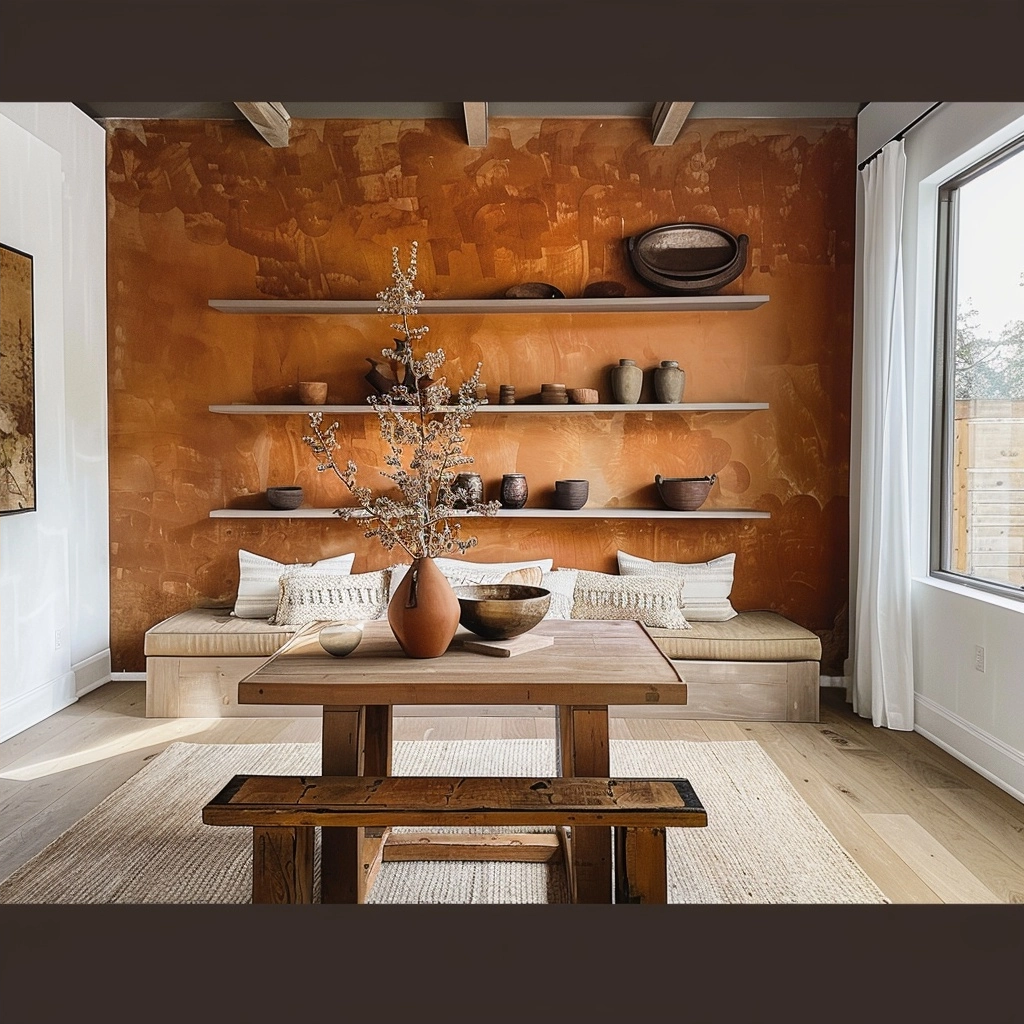
Overview of Terracotta Interior Design
Terracotta interior design brings a grounded, sun-drenched aesthetic into the home, utilizing the rich, burnt-orange hues of baked clay to create warmth and comfort. This design approach works across various styles, from rustic Mediterranean villas to minimalist modern homes, by providing a natural color palette that feels inviting and timeless.
| Feature | Details |
|---|---|
| Style | Earthy, Warm, Mediterranean, Rustic |
| Best For | Living rooms, kitchens, outdoor patios |
| Estimated Budget | Variable (Low for paint, high for tiles) |
| Difficulty | Beginner to Moderate |
| Time Required | 1-2 days for decor, 3-5 days for tiling |
| Maintenance | Low for decor, Moderate for natural stone |
Why These Ideas Work
The success of terracotta lies in its ability to introduce warmth without overwhelming a room. As a neutral-adjacent tone, it bridges the gap between bold colors and standard beiges, making it versatile for layering.
By incorporating texture through materials like raw clay, matte ceramics, or woven textiles, you create a tactile environment that feels grounded. This design principle relies on balancing the heavy, earthy nature of terracotta with lighter elements like cream linens or crisp white wall finishes.
Best Terracotta Interior Design Ideas
Natural Terracotta Floor Tiles
Installing natural clay tiles creates an immediate foundation of character. These tiles offer unmatched depth of color and age beautifully over time. They are best suited for kitchens, entryways, or sunrooms where high traffic can highlight their durable, rustic appeal.
Warm Clay-Tone Accent Walls
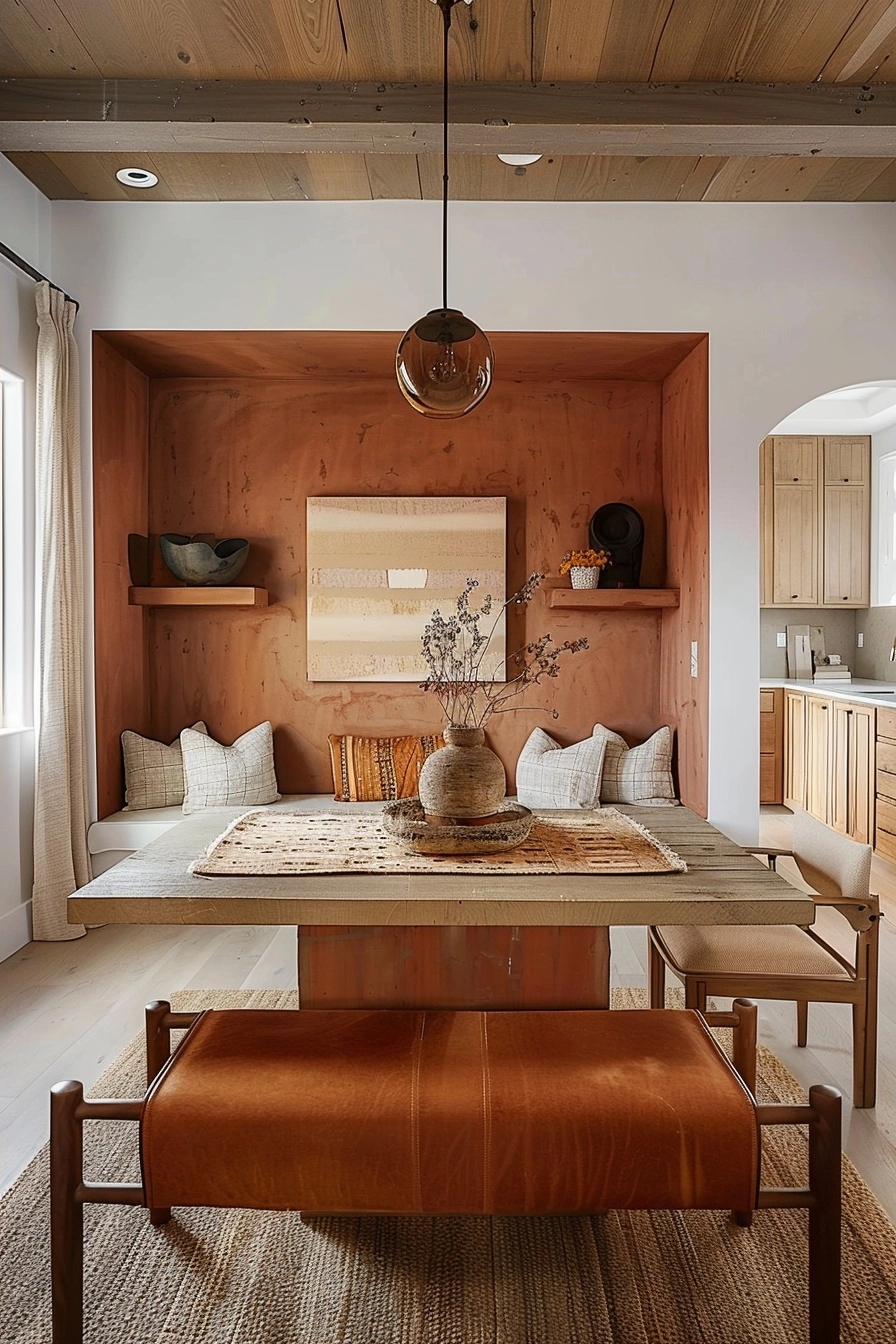
If full-scale renovation is not an option, painting an accent wall in a deep clay shade provides the same aesthetic punch. Use this in a bedroom behind the headboard or in a dining nook to anchor the space. Pair with wooden furniture and indoor plants to complete the organic look.
Handmade Ceramic Decor
Displaying terracotta vases, bowls, and candle holders adds sculptural interest to shelves and tables. These pieces act as focal points that introduce the material without permanent installation. Group items of varying heights to create visual balance on your mantels or console tables.
Materials, Tools, and Essentials
| Item | Purpose | Budget-Friendly Alternative | Notes |
|---|---|---|---|
| Terracotta Paint | Wall color | Clay-toned flat finish paint | Look for warm undertones |
| Clay Tiles | Flooring/Backsplash | Ceramic look-alike tiles | Seal natural stone properly |
| Textile Throws | Warmth/Texture | Cotton-linen blend | Check for burnt orange hues |
How to Apply These Ideas
Room Styling Workflow
- Select your primary terracotta focal point, such as a rug or accent wall.
- Identify supporting neutral colors, specifically creams, soft greys, or muted greens.
- Incorporate natural textures including rattan, jute, or unfinished wood to complement the clay.
- Layer lighting to ensure the warm tones appear cozy during evening hours rather than dark.
- Adjust furniture placement to ensure the terracotta elements are distributed evenly throughout the room.
Expert Design and Gardening Tips
- Balance intensity by using soft off-whites on ceilings and trim to prevent the room from feeling cramped.
- Combine terracotta with sage green or olive tones to mimic a natural garden palette.
- Use matte finishes for paint and decor to keep the aesthetic feeling organic and grounded.
- Ensure proper sealing for any natural clay or stone installations to prevent moisture absorption and staining.
- Vary the scale of your terracotta pieces; use a large rug for impact and smaller accessories for subtle repetition.
Common Mistakes to Avoid
Over-Saturating the Space
Using terracotta on every wall and floor can make a room feel heavy and cave-like. Instead, focus on one major element or select a lighter, peachy variation of the color for larger surfaces.
Ignoring Lighting Requirements
Terracotta hues can shift dramatically under different light temperatures. Always test paint swatches at different times of day to ensure the tone remains warm and pleasant rather than muddy.
Maintenance and Long-Term Care
| Task | Frequency | Recommended Method |
|---|---|---|
| Sealing Clay Tiles | Every 1-2 years | Apply penetrating stone sealer |
| Dusting Ceramics | Weekly | Soft dry cloth |
| Cleaning Fabrics | Monthly | Spot clean with mild detergent |
Frequently Asked Questions
Is terracotta suitable for small apartments?
Yes, terracotta works well in small spaces if used as a secondary accent. Use it for throw pillows, curtains, or a single art piece to add warmth without reducing the perceived size of the room.
How do I clean natural terracotta tiles?
Clean natural tiles with a pH-neutral stone cleaner and a soft mop. Avoid acidic or abrasive cleaners that can damage the porous surface of the clay.
Final Thoughts
Terracotta interior design offers a timeless way to infuse your home with warmth and organic texture. Whether you choose a subtle accent or a bold architectural choice, these earthy tones provide a grounding atmosphere that celebrates natural materials. Start your transition by introducing a few ceramic pieces or a warm-toned textile to see how the space evolves. Embrace the beauty of baked clay and enjoy the cozy, inviting environment it creates in your home.